


























A casino review is only useful if it helps you make a calmer decision before you deposit. Plenty of sites can list bonuses and game counts, but a strong review explains how the operator treats players after the welcome offer ends. The Gamble Dad approach should be simple: compare the important details, explain the trade-offs in plain English, and give both newcomers and experienced players enough information to judge whether a casino fits the way they actually play. That means highlighting both the strengths and the awkward details that can change the experience once real money is involved.
Check the Licence and the Operator Behind the Site
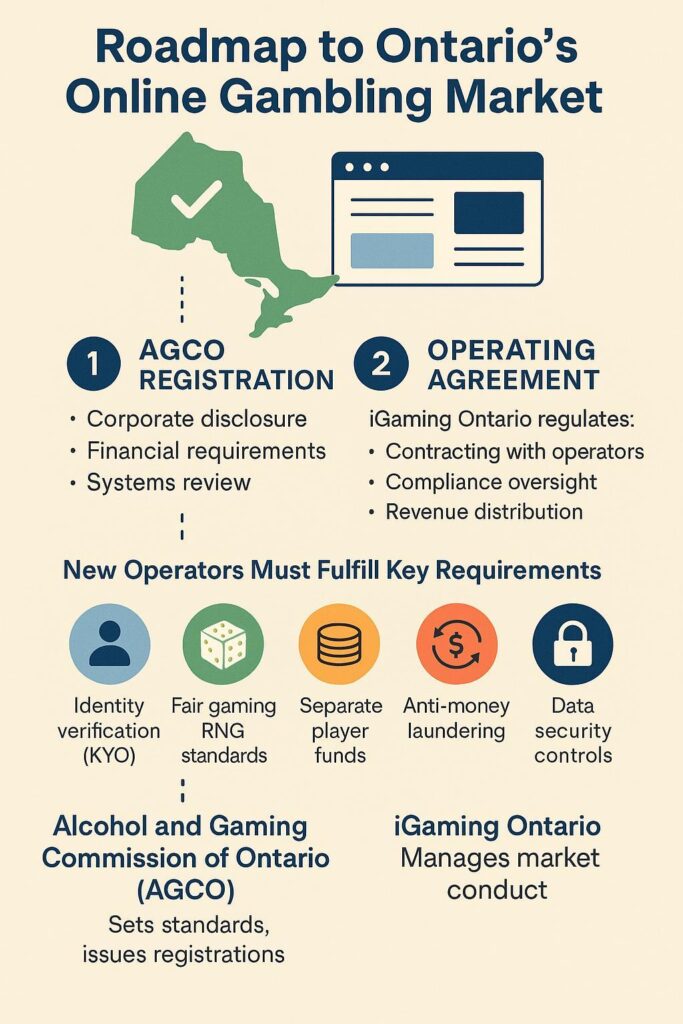
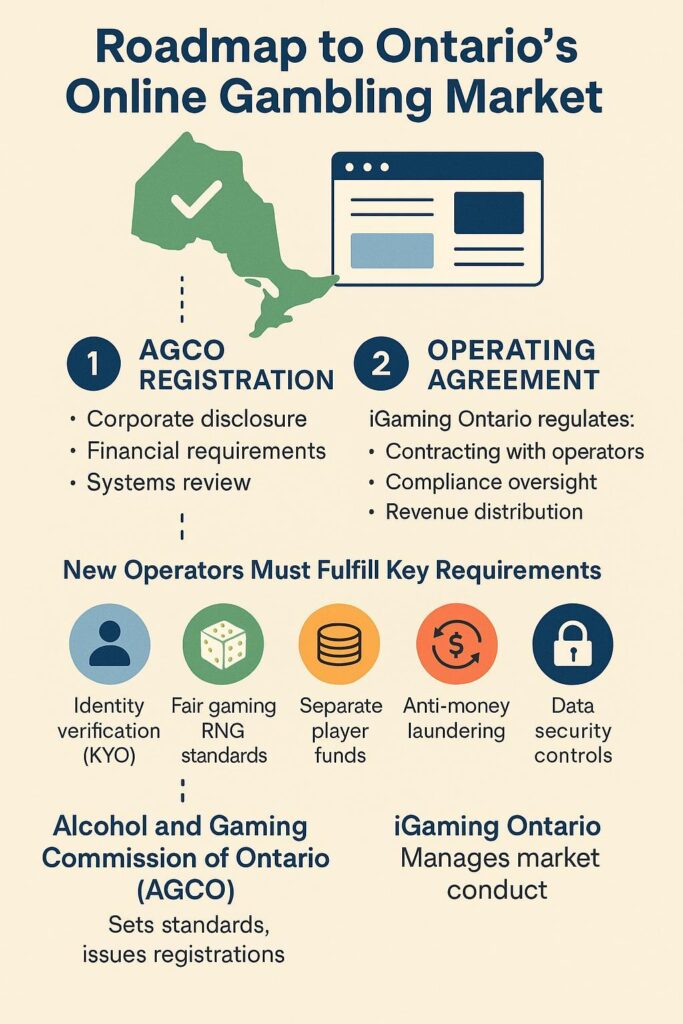
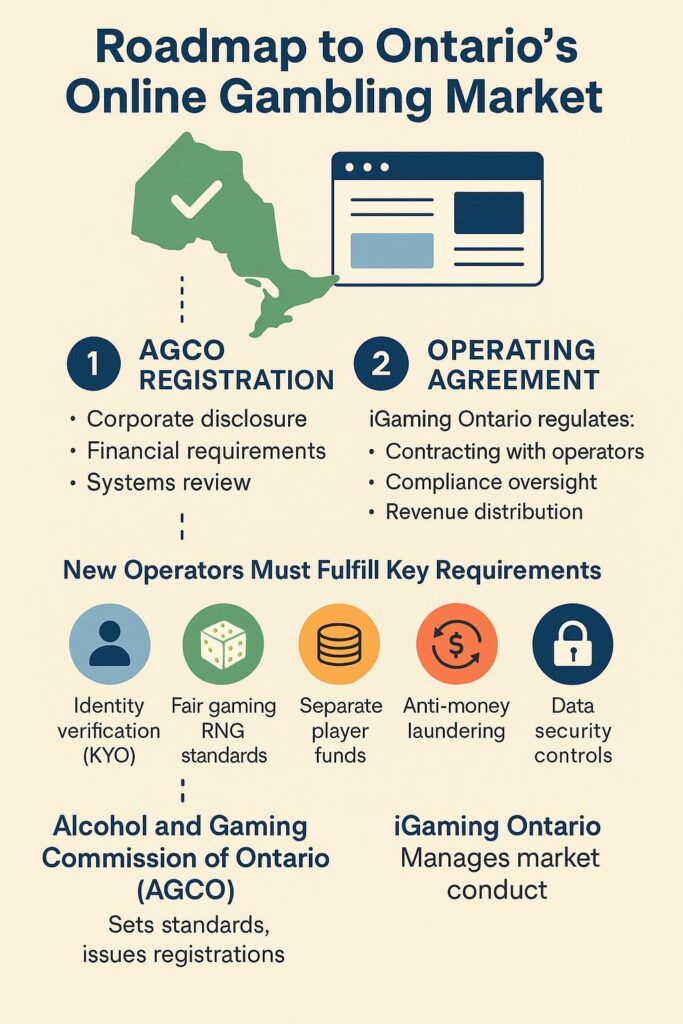
Before looking at bonuses or graphics, find out who runs the casino and which licence it holds. A licensed operator should provide clear company details, accessible terms, and a privacy policy that explains how player data is handled. Look for security markers such as encrypted connections and evidence that games are tested by independent assessors. These details are not glamorous, but they tell you whether the site is treating compliance as part of the product rather than an afterthought. A review should also note whether the casino is open to your country and whether local rules affect the offers you see. Clear ownership and useful contact information are part of that picture. If the paperwork is vague, the sensible choice is to slow down.
Read Bonus Terms Before You Feel Tempted
Welcome offers can include matched deposits, free spins, or no-deposit promotions, and the headline figure often hides the conditions. A useful review breaks out the minimum deposit, maximum bonus, wagering requirement, eligible games, expiry period, and any cap on winnings. It should explain how much play the bonus really demands and whether the games you enjoy count fully toward the requirement. Spin offers deserve the same scrutiny: check when the spins appear, which games they cover, how long they last, and what happens to winnings. Readers should also know whether winnings from a no-deposit offer are capped or tied to extra conditions. The best bonus is not always the biggest one. It is the one whose terms match your budget, patience, and preferred style of play.
Look Beyond the Number of Games
A large game library is appealing, but variety matters more than volume. A good review should describe the mix of slots, table games, and live dealer options, along with the software providers behind them. It should also explain how easy the lobby is to navigate: can you search by provider, filter by feature, or try a game before staking real money? Mobile performance deserves a proper test, not a passing mention. If the site is optimized for smaller screens, games should load smoothly, menus should stay readable, and the cashier should be easy to reach. Reviews should also note whether independent fairness checks and secure connections are in place, because trust is built on more than attractive thumbnails.

Payments and Support Reveal the Real Experience
Deposits are usually quick, but withdrawals are where a casino shows its true colours. A review should compare accepted payment methods, processing times, verification steps, and any fees or limits that apply. It should say whether the cashier feels clear and whether help is available when something goes wrong. Live chat is a useful sign, but response quality matters too. Can the support team answer questions about bonus rules, account checks, and withdrawal delays without copying vague terms? A thorough review will test the help pages as well, because a well-written FAQ can save time. If a review only praises deposit speed and ignores the withdrawal journey, it is missing the part players care about most. Fast withdrawals and straightforward banking are worth more than a flashy homepage to most players.
Understand What the Rating Really Means
Ratings can be helpful, but they should never replace your own priorities. A casino with a huge bonus may suit a player who enjoys working through wagering conditions, while someone who wants simple withdrawals may prefer a smaller offer with cleaner terms. A review score should reflect licence checks, bonus transparency, game choice, banking, support, and responsible gambling tools. It should also make the downsides visible. If a site has limited payment options, slow support, or confusing bonus rules, those points belong in the write-up rather than in a footnote. A good review also makes clear who the offer is for, because a welcome package aimed at new players may not reflect the ongoing experience. Readers deserve a clear view of the trade-offs, not a ranking that hides them.
Responsible Play Belongs in Every Review
A trustworthy review should mention the tools that help players stay in control: deposit limits, session reminders, time-outs, and self-exclusion options. It should also point readers toward independent support services and encourage realistic expectations. Bonuses are promotional extras, not a reliable way to make money. Set a budget before you log in, keep track of time, and treat wins and losses as part of the same entertainment spend. The strongest review is one that helps you enjoy the experience without losing sight of the risks. Gamble Dad's review standard should be measured by clarity and usefulness, not by how many offers can be packed onto one page.
The bottom line is that a casino review should act like a knowledgeable friend, not a sales page. Check the licence, read the bonus terms, compare banking and support, and choose an operator that matches your own habits. When a review explains the fine print in plain language, you can make a better decision before you deposit and spend more time enjoying the games you came for.

0 Comentários
Ainda não há comentários. Seja o primeiro a compartilhar sua experiência.